Showing posts with label SCIENCE. Show all posts

Friday, February 5, 2016

'Wrong type of trees' in Europe increased global warming

oak tree

The assumption that planting new forests helps limit climate change has been challenged by a new study.
Researchers found that in Europe, trees grown since 1750 have actually increased global warming.

Saturday, December 19, 2015

New 'super condoms' will increase pleasure and fight HIV, say scientists

Condoms

A NEW 'super condom' which protects against HIV and offers more sexual pleasure than traditional condoms will soon be available, according to scientists.

Thursday, December 10, 2015

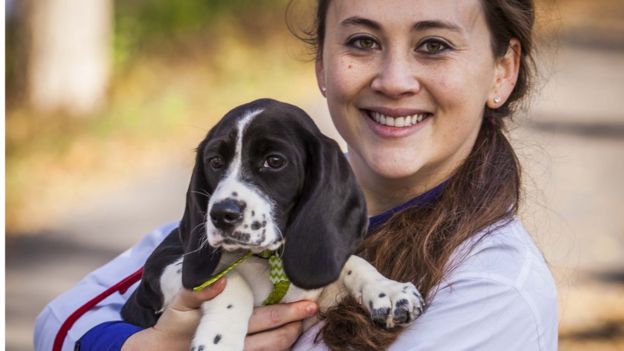
World's first IVF puppies born to surrogate mother dog

Cornell scientist Jennifer Nagashima with a beagle-spaniel pup

The world's first "test tube" puppies have been born after years of attempts, say scientists in the US.
The in-vitro fertilisation success paves the way for conserving endangered breeds and could help in the fight against human and animal diseases, say researchers at Cornell University.

Friday, December 4, 2015

Doctors see increase of rabbit fever in humans


Health officials are seeing an increase of a rare illness called rabbit fever that was beaten back decades ago.
In the last two decades, health officials saw an average of only about 125 cases each year of the illness — known to doctors as tularemia.

Tuesday, December 1, 2015

Brazil links Zika fever to birth defects

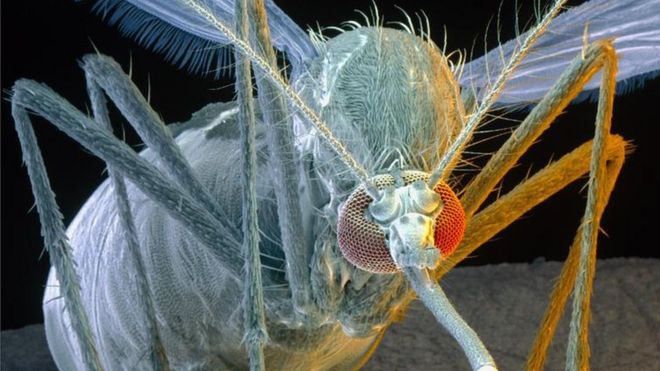
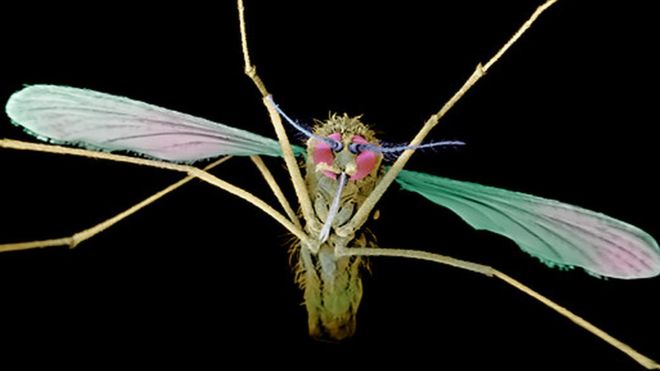
Coloured Scanning Electron Micrograph (SEM) of a female yellow fever mosquito Aedes aegypti.

The Brazilian health ministry has confirmed a link between a mosquito-borne virus from Africa, Zika Fever, and a high incidence of birth defects.
The fever, it said, is behind a spike in cases of micro-encephalitis - an inflammation of the brain contracted in the first months of pregnancy.

Thursday, November 26, 2015

Lead poisons '100,000 birds annually'

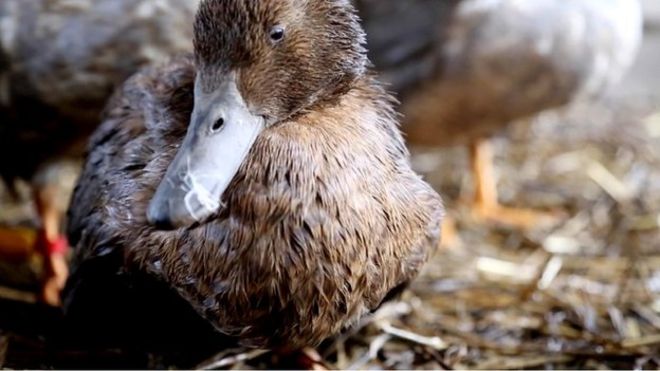
Lead poisoned duck (c) WWT

About 100,000 wetland birds are killed every year from poisoning by discarded lead ammunition, say scientists.
This is one of the conclusions of a report published on Thursday by the University of Oxford.
The report also suggests that the consumption of game shot with lead ammunition has a greater impact on human health than previously thought.

Black widow spider web gives up DNA secrets

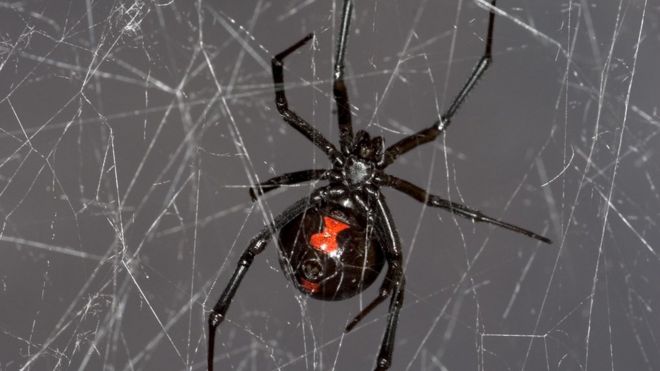
Black widow spider

Spiders can be identified from the DNA they leave on webs, say US scientists.
Analysis of genetic material stuck to spiders webs also reveals what they have eaten weeks after catching their prey.

Tuesday, November 24, 2015

Mutant mosquitoes 'resist malaria'

mosquito

US scientists say they have bred a genetically modified (GM) mosquito that can resist malaria infection.
If the lab technique works in the field, it could offer a new way of stopping the biting insects from spreading malaria to humans, they say.

Saturday, November 21, 2015

Frontal brain wrinkle linked to hallucinations

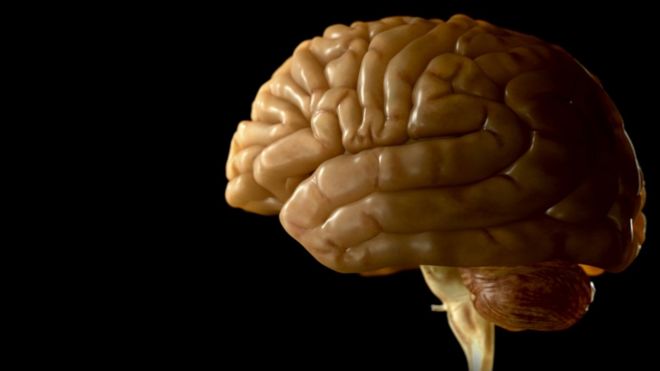
whole human brain

A study of 153 brain scans has linked a particular furrow, near the front of each hemisphere, to hallucinations in schizophrenia.

Half of all tree species in Amazon 'face extinction'

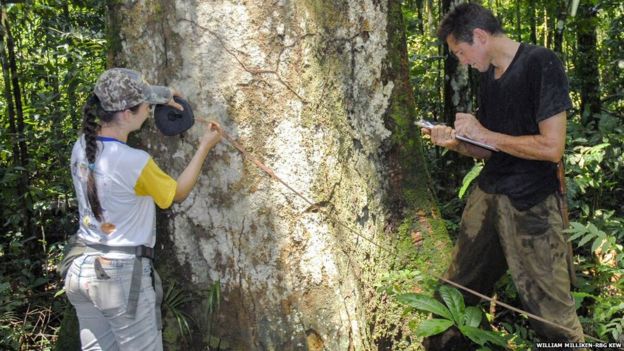
Forest survey in Mato Grosso

More than half of all tree species in the Amazon face extinction, warn international scientists.
According to new data, up to 57% of all Amazonian trees may already fit the criteria of being globally threatened.

Pigeons identify breast cancer 'as well as humans'

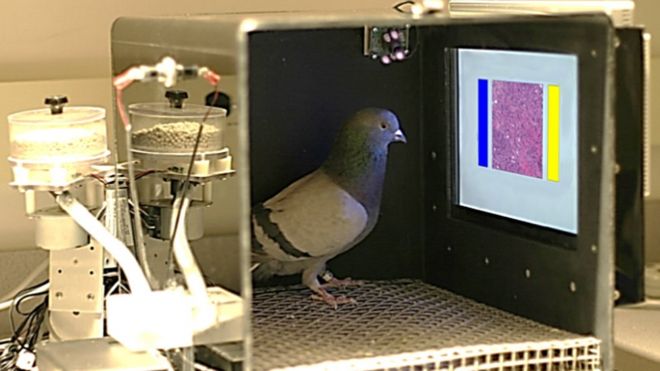
pigeon viewing a tissue sample on a screen

Pigeons, with training, did just as well as humans in a study testing their ability to distinguish cancerous from healthy breast tissue samples.

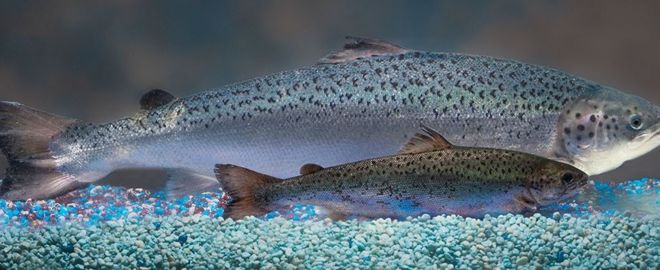
US approves genetically modified salmon for food

AquaAdvantage salmon

US regulators have given the go-ahead to genetically modified salmon, making it the first GM animal destined for human consumption.
The Food and Drug Administration said it had given approval on the grounds that "food from the fish is safe to eat".

Thursday, November 19, 2015

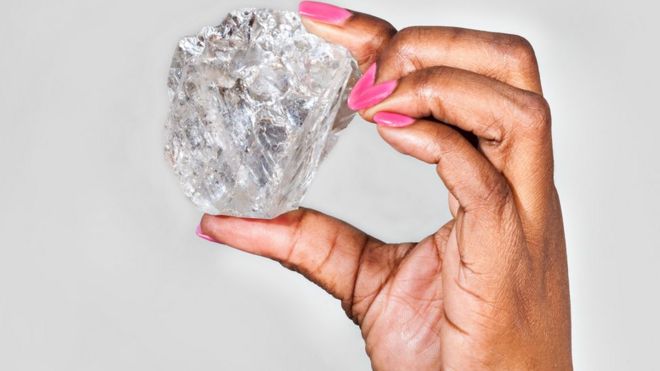
World's second-largest diamond 'found in Botswana'

The 1,111 carat stone recovered from Lucara's Karowe mine

The world's second-largest gem quality diamond has been discovered in Botswana, the Lucara Diamond firm says.
The 1,111-carat stone was recovered from its Karowe mine, about 500km (300 miles) north of the capital, Gaborone.

Saturday, November 14, 2015

Scientists create human sperm in a lab


FRENCH researchers say they have patented a method to create sperm using stem cells harvested from infertile men — though they do not know if the lab-fabricated seed actually works.

Thursday, November 12, 2015

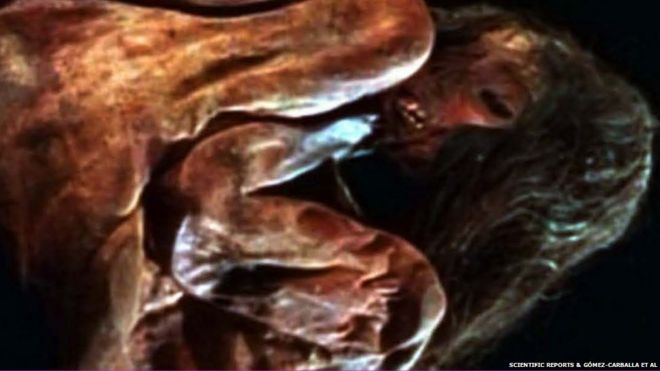
Lost genetic history of Inca child mummy

The mummified remains of the boy were found on a mountain

Scientists have unravelled part of the genetic code of a child who was sacrificed in a ritual ceremony by the Inca civilisation 500 years ago.
The boy's mummified remains were discovered on an Argentinean mountain.

Thursday, November 5, 2015

NASA set to make another major announcement about Mars


BRACE yourselves people. NASA has another announcement to make about Mars.
(Cue triumphant trumpets.)
Just what exactly it is we still don’t know.
The only shred of information we have been given is that the US space agency has said it will provide details of “key science findings” from it’s MAVEN (Mars, Atmosphere and Volatile Evolution) spacecraft, which has been orbiting Mars since 2014.

Tuesday, November 3, 2015

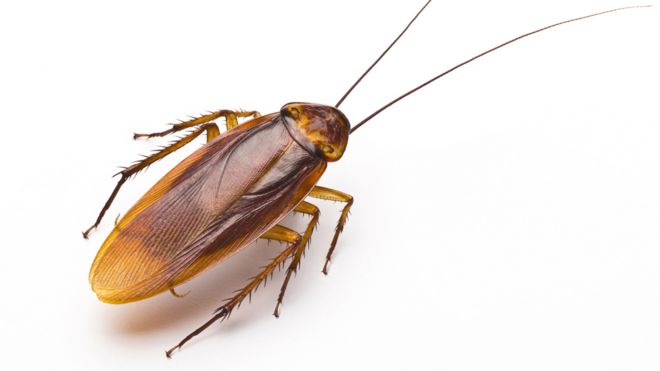
How cockroaches could save lives

Cockroach

Cockroaches are often associated with dirty kitchens and grimy bathrooms - scuttling away as soon as you enter the room and turn on the light.

Friday, October 23, 2015

New species of tortoise found on Galapagos island


There are few species that symbolize the Galapagos archipelago more than the giant tortoises found there.

Earth may be much older than we thought, scientists say


Researchers have found evidence in Western Australia that Earth may be 300 million years older than we thought.

Wednesday, October 14, 2015

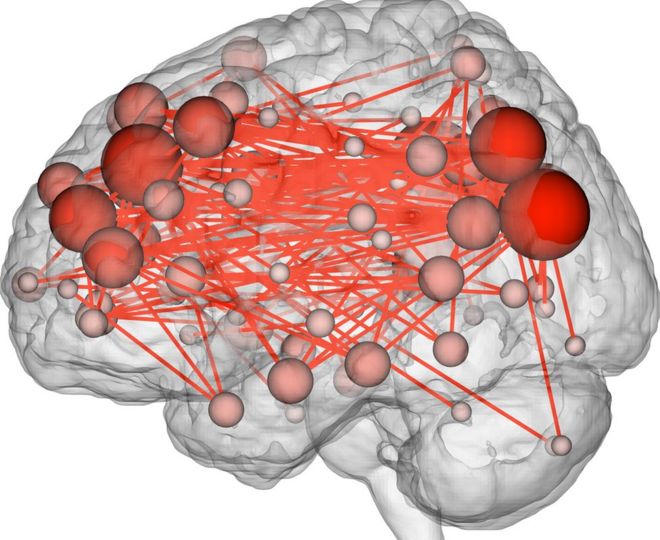
Brain's activity map makes stable 'fingerprint'


illustration of brain connection map


Neuroscientists have found that they can identify individuals based on a coarse map of which brain regions "pair up" in scans of brain activity.
The map is stable enough that the researchers could pick one person's pattern from a set of 126, by matching it to a scan taken on another day.

"mungo park" by Coredo Bello